
Emergency Attic Insulation Near Me: What East Los Angeles Homeowners Should Do First
If you just typed “emergency attic insulation near me” into your phone, chances are one of four things happened: water got into your attic, rodents moved in, something burned or smoked, or your latest LADWP bill made you audibly gasp. Here’s the direct answer: most attic insulation “emergencies” in East Los Angeles are urgent but not same-day catastrophes, and the wrong first move, like covering wet insulation or disturbing rodent nests without protection, will turn a $900 repair into a $9,000 mold or biohazard remediation. The right first move is almost always stop, assess, contain, then call. And if you’d rather not figure this out alone, call our team at (866) 566-0304 and we’ll walk through it with you.
First, Identify What Kind of “Emergency” You Actually Have
Not all attic insulation problems in East Los Angeles are created equal, and treating them the same is how homeowners end up paying twice. We’ve seen every type of call come through over the years, and each one has a completely different first response. Here’s how to tell what you’re dealing with:
- Water intrusion. This is the most common true emergency we see in East LA. Older homes in Boyle Heights and El Sereno have roof valleys and penetrations that leak after heavy winter rains, and AC condensate lines in the attic, especially in homes built before central air was standard, can fail silently for weeks. The insulation will look flattened, darkened, or feel heavy and clumpy.
- Rodent activity. Rats and mice in East Los Angeles attics are a year-round problem, but activity spikes when temperatures push past 90 and the attic becomes a furnace. You’ll see shredded material, tunnels through the insulation, droppings, and a distinct ammonia smell that gets worse in the heat.
- Fire or smoke exposure. A kitchen fire that sends smoke through the ceiling, or an electrical issue in the attic itself, can leave insulation coated in soot and holding a smoke smell that spreads through the whole house. This one never clears up on its own.
- Sudden energy bill spike. If your insulation has settled, compacted, or been displaced by pests or previous work, your AC runs constantly from June through October. East LA summer heat is relentless, and old fiberglass batts that are 12 – 15 years old often perform like there’s no insulation at all in sections of the attic.
Each of these requires a different sequence. Water means dry first, install later. Rodents mean remove and sanitize first, then build back. Smoke means complete removal of affected material. Energy spikes mean an assessment and likely a blow-in or attic insulation replacement in East Los Angeles. Knowing which one you have before you call anyone will save you from being sold the wrong solution by a contractor who only offers one fix.
The Moisture Check Step: What to Do Before Anyone Installs Anything
If water is involved, the single most expensive mistake you can make in the first 24 hours is calling an insulation installer before a moisture reading is taken. We mean this literally: we’ve walked into attics in Monterey Park and City Terrace where a previous contractor simply laid new batts over damp existing insulation at the homeowner’s urging to “just fix it fast.” Six months later, the ceiling below is stained, the new insulation is moldy, and everything has to come out anyway.
Here’s the step-by-step triage we recommend to East Los Angeles homeowners facing water in the attic:
- Stop the water source first. If it’s an active leak, tarp the roof or shut off the condensate line. Nothing else matters until water stops entering.
- Get a moisture reading on the wood decking. A basic pin moisture meter costs $30 – $50 at any hardware store in the area. You’re checking the wood, not the insulation. Wood decking in a dry East LA attic typically reads 8 – 12% moisture content. Anything above 17 – 18% means the wood is wet enough to require a drying period before new insulation goes in.
- Remove visibly soaked insulation by hand. Wet fiberglass or cellulose is heavy and has almost zero R-value. Bag it and get it out. Leave dry sections alone if they’re truly dry.
- Run fans and, if possible, a dehumidifier for 48 – 72 hours. East LA’s dry air is actually your friend here, unlike humid coastal areas. Attics with good ventilation will dry out on their own once the source is stopped, as long as the wet material is removed.
- Re-check the wood before installation. We won’t install over wood decking that’s still reading above 15 – 16% moisture. A contractor who doesn’t own a moisture meter or won’t check this is telling you everything you need to know.
The two-day drying delay is the right call 90% of the time. A contractor who insists on installing immediately over damp conditions is prioritizing their schedule over your house.
Rodent Damage in East LA Attics: What to Remove, What Can Stay, and Why You Shouldn’t Touch It Yet
Rodent damage is the most underdiagnosed insulation problem in East Los Angeles, partly because homeowners don’t want to go up there, and partly because some contractors will build right over it to avoid the hassle. We don’t. Here’s what rat activity actually does to your insulation and what to do about it.
When rats nest in an attic, they create tunnels and nesting chambers in the insulation by compressing and shredding it. The compression itself cuts the R-value. The urine soaks into whatever material they’re in, and the droppings create a health hazard. The smell is often most noticeable on hot days when the attic heats up and the ammonia volatilizes, which is exactly when most East LA homeowners first realize something’s wrong.
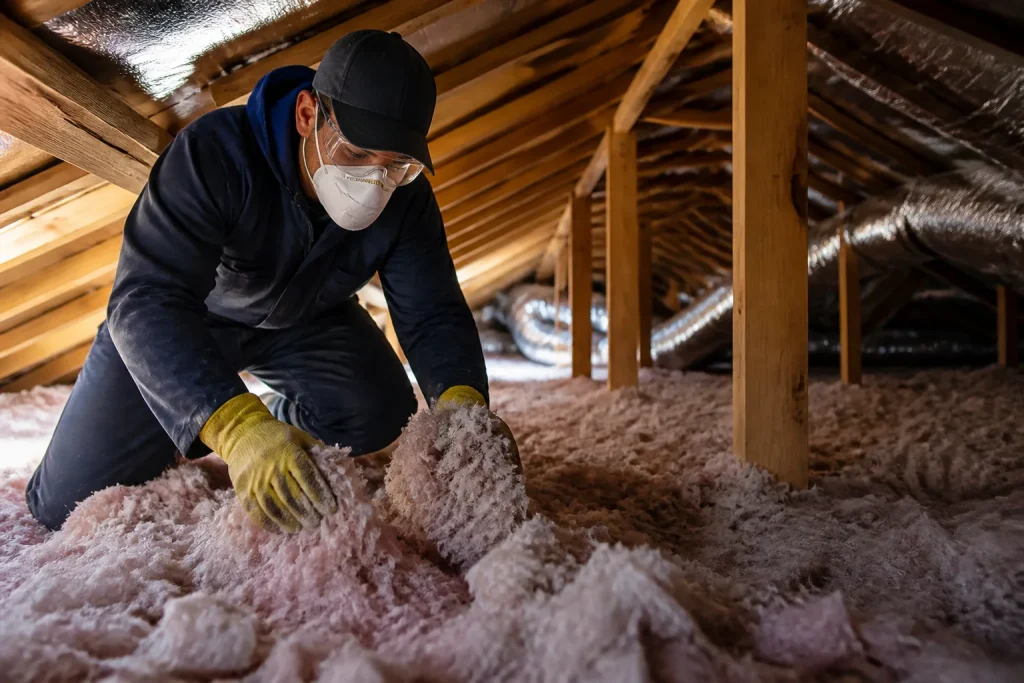
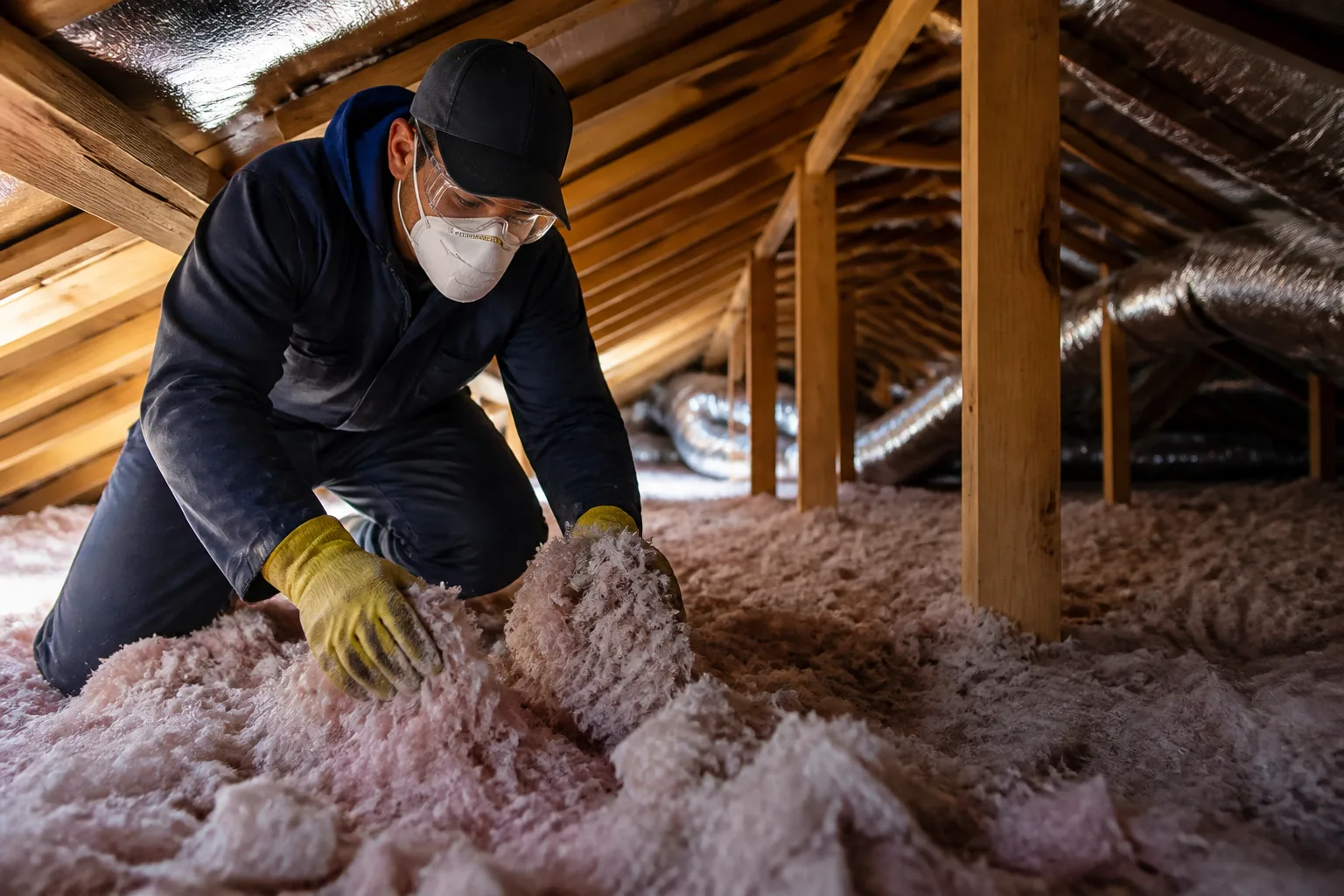
The critical safety point: do not disturb rodent-contaminated insulation without proper PPE. Deer mice, present throughout Los Angeles County, can carry hantavirus, and the transmission route is inhalation of dust from dried urine and droppings. This is one area where DIY enthusiasm gets people hurt. We recommend a half-face respirator with P100 filters, gloves, and full body coverage at minimum. If the contamination is extensive, a professional remediation approach is warranted before any new insulation goes in.
What we actually do in rodent-damaged East LA attics:
- Remove and bag insulation in all active nesting areas and any material with visible droppings or staining.
- Remove insulation in any pathway rats used regularly, which often means around attic access points, along the eaves, and near plumbing penetrations.
- Leave dry, clean sections in place if they test clean and the material isn’t deteriorated. Not every rodent call requires a full attic gut. Sometimes it’s a localized problem that needs focused removal.
- Treat the area with an appropriate antimicrobial after removal, then air it out.
- Install fresh material only after the entry points are sealed and the attic has had time to dry and ventilate.
For East LA homeowners looking at this list and wondering if they can just skip straight to new insulation: you can’t. New insulation over rat-contaminated material is a health hazard and a smell that will never go away. The order is removal, sanitation, seal entry points, then blown-in insulation replacement in East Los Angeles or batts, depending on the house. No shortcuts.
Honest Timeline Expectations: What Actually Happens in the First 24 – 48 Hours
Someone is going to tell you they can start today. And sure, in some cases, that’s true. But “starting today” and “doing it correctly today” are two different things. Here’s what a realistic timeline looks like for East LA attic insulation emergencies, based on what we actually do on these calls:
- Day 1: Assessment and containment. We inspect, identify the cause, measure moisture levels if water is involved, and develop a scope of work. If removal is needed, we can usually begin demolition the same day or next morning. Tarping a roof, bagging wet material, or isolating a damaged section all happen fast.
- Days 2 – 4: Drying period if water was involved. Forced air movement and dehumidification. This is non-negotiable for us. We’ve installed Icynene and Demilec spray foam in attics across East LA, and both products require a dry substrate for proper adhesion and performance. Installing over damp decking voids the manufacturer’s warranty and traps moisture.
- Days 3 – 7: Replacement installation. This is where the product choice matters. Fiberglass batts from CertainTeed or Johns Manville go in relatively quickly and are ideal for attics with standard joist spacing. Spray foam insulation in East Los Angeles takes longer because of the application process and cure time but delivers the highest R-value per inch for tight spaces. Blown-in GreenFiber or Rockwool can cover large attics in under a day and is often the best value for older East LA homes with uneven joist cavities.
- Days 7 – 14: If rodent remediation or extensive mold was involved, clearance testing and sealing may extend the timeline. A good contractor tells you this on day one. A contractor who promises the whole thing done by Friday afternoon on a water-damaged rodent-infested attic is guessing.
None of this means you’re stuck waiting weeks for relief. In most East Los Angeles emergencies, meaningful progress happens on day one: the water gets stopped, the contaminated material comes out, the problem gets contained. The complete fix takes the time it takes, and pushing faster than that is how you end up with a repeat emergency next year.
Questions to Ask Any Contractor Who Offers to Start Work the Same Day
We respect the hustle. When a homeowner in East Los Angeles calls at 7am in a panic, a fast response matters. But “I can be there in an hour” should not mean “I’ll start installing in two hours.” Before anyone puts new material in your attic, ask these five questions. A legitimate emergency responder will answer them without flinching:
- “Have you checked the moisture level of the decking?” If they don’t own a moisture meter or look confused by the question, that’s a red flag. Any pro who’s been doing attic work in Los Angeles for more than six months knows why this matters.
- “What am I paying for beyond the insulation itself?” Removal, disposal, sanitation, air sealing, and decking repair should all be line items. If the quote is one number with no breakdown for an emergency situation, you’re being given a residential guess, not a scope.
- “Do you do this work yourself or sub it out?” This is the one East LA homeowners forget to ask. A dedicated insulation contractor, like East Los Angeles Insulation Co home, handles the work in-house. A general contractor will often bring in a third-party crew, and now you’ve got two companies, two warranty situations, and a game of phone tag if anything goes wrong.
- “What brands are you installing?” If the answer is “whatever’s at the supply house,” that tells you something. We carry eight brands, including Rockwool, CertainTeed, Icynene, and Demilec, specifically because different East LA homes call for different solutions. A 1920s bungalow in El Sereno with a low-pitch roof and a 1940s addition in City Terrace are not the same job. The right insulation for your home, not just what we happen to stock, is the entire reason we carry all these options.
- “When can you come back if the problem persists?” Emergencies sometimes evolve. Moisture that wasn’t visible on day one can appear on day three. A real company has a callback protocol. A fly-by-night crew has a voicemail that’s full by day five.
We’ll add one more piece of advice from years of pulling insulation out of East LA attics: the cheapest emergency quote is often the most expensive outcome. We pulled a full attic’s worth of brand new fiberglass out of a garage over in El Sereno last year that a “fast response” crew had installed over damp decking three months earlier. The homeowner paid for installation twice, plus mold treatment, plus the original crew was nowhere to be found. Ask the questions.
The Bottom Line
An attic insulation emergency in East Los Angeles is real, but it’s rarely solved by instant installation. The correct sequence is: identify the type of problem, stop active water or pest intrusion, remove damaged material, dry the space if needed, and only then install the right product for your specific attic. Cutting that sequence short is how a $1,200 insulation repair becomes a $12,000 mold and biohazard project. If you’re in East Los Angeles and dealing with a wet, rodent-infested, or failing attic, East Los Angeles Insulation Co offers free estimates and straight answers. We’ll diagnose before we quote, and we won’t suggest a product until we’ve seen your attic. Call (866) 566-0304 to schedule an assessment, or check out our attic insulation services in East Los Angeles for more detail on what a proper job includes.
Frequently Asked Questions
Most emergency attic insulation jobs in East Los Angeles run between $1,500 and $4,500 depending on attic size, the amount of removal required, and whether moisture or rodent remediation is needed before installation. Pure removal and reinstallation of a small attic (800 – 1,000 square feet) often lands near the lower end. Adding spray foam, which runs higher per square foot than batts or blown-in, moves the cost up. The best way to get an accurate number is to call (866) 566-0304 and schedule a free assessment, because an emergency quote without looking at the actual attic is just a guess.
Partial removal of soaked insulation can happen the same day in most East Los Angeles attics, but complete replacement cannot and should not happen until the underlying wood decking has dried to a safe moisture level, typically 48 – 72 hours. Installing new insulation, whether fiberglass batts or spray foam, over damp decking traps moisture against the wood and creates the exact conditions for mold growth. A contractor who promises same-day installation on a wet attic is skipping a step that will cost you later.
For water-damaged or rodent-contaminated insulation, replacement is always the correct call, and trying to salvage it costs more in the long run. Wet fiberglass and cellulose lose nearly all their effective R-value even after drying, and rodent-contaminated material is a permanent health issue. For sections that are dry, clean, and simply old or under-performing, topping off with additional blown-in insulation is often the most cost-effective option in East Los Angeles. Call (866) 566-0304 and we’ll help you figure out exactly what your attic actually needs.
We respond to emergency insulation calls across East Los Angeles seven days a week and can usually get a technician to your home within 24 – 48 hours for assessment, with same-day service available for active water intrusion cases where containment can’t wait. The first visit focuses on stopping the problem, taking moisture readings, and developing a clear scope, not rushing installation. To see if we can get to your neighborhood today, call (866) 566-0304 and tell us exactly what happened. We’ll be straight with you about what’s urgent and what can wait until morning.
Written by the team at East Los Angeles Insulation Co, serving East Los Angeles since 2018.
Need Insulation Help?
Call East Los Angeles Insulation Co - licensed & insured, with free written estimates in East Los Angeles.
(866) 566-0304