
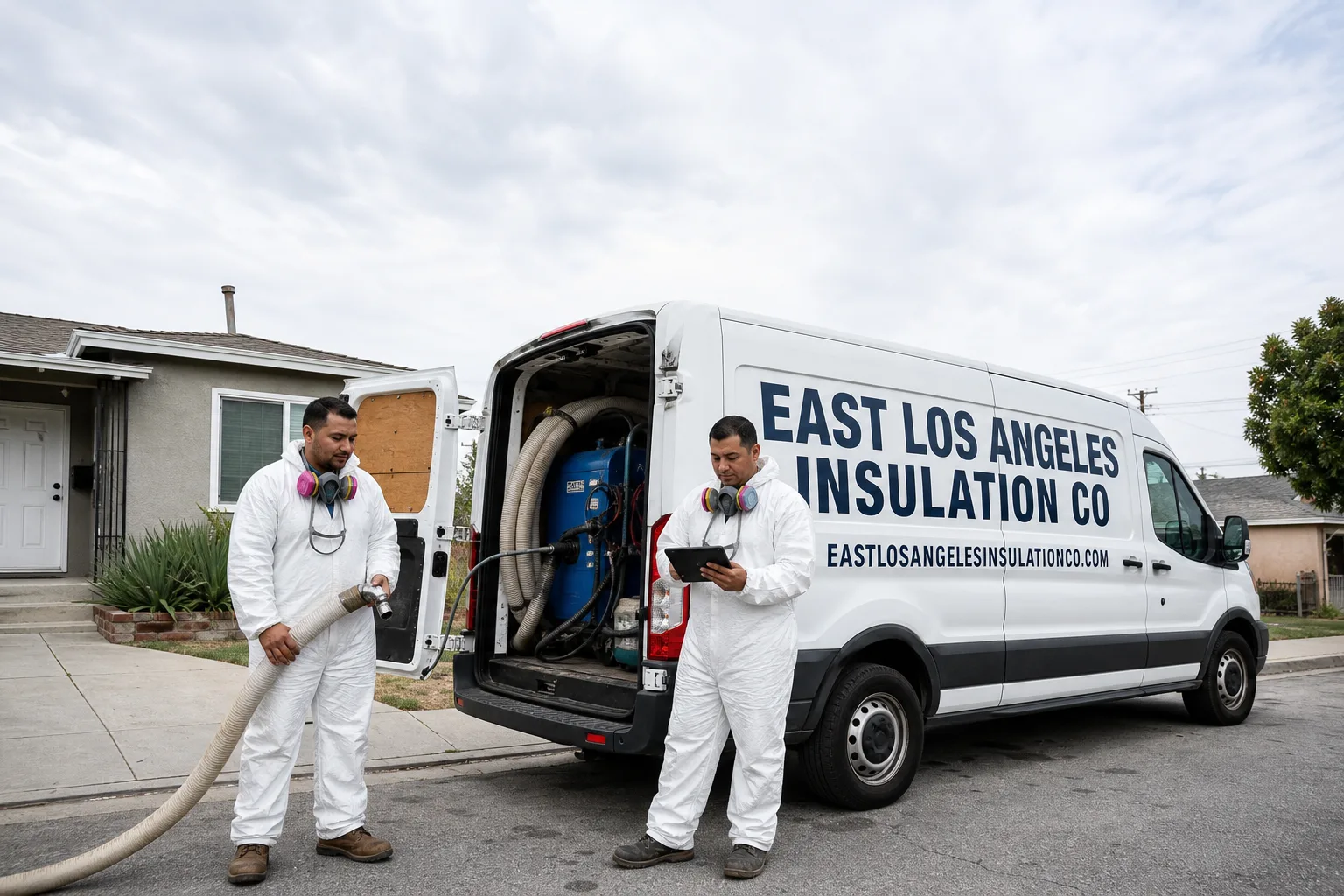
Fast, Reliable Attic Insulation Across Los Angeles
Attic insulation in Los Angeles is a summer heat-barrier problem, not a winter heat-retention one, and that changes how the work should be done. Most homes across the 90036, 90037, 90038, and 90039 zip codes were built between 1900 and 1950, and their attics were never designed to handle the kind of radiant heat that builds up under a low-pitch or flat roof in July. We get calls every week from homeowners in Koreatown, Echo Park, and Silver Lake whose upstairs rooms hit 90°F by 3 p.m. no matter how low they set the thermostat. That’s an attic insulation and air-sealing failure, and fixing it starts with a real inspection, not a quote over the phone. East Los Angeles Insulation Co serves the entire Los Angeles basin with same-week scheduling in most neighborhoods. Call (866) 566-0304 and we’ll send someone who knows what to look for in your specific roof type.
Why East Los Angeles Insulation Co Is Los Angeles’s Preferred Attic Insulation Company
We’re a dedicated insulation contractor. That’s all we do. We don’t run HVAC crews, we don’t do roofing, and we don’t split our attention across six trades. Attic insulation in Los Angeles is our specialty, and that focus shows up in the details: we stock eight insulation brands, we install all three methods (attic, spray foam, and blown-in), and we’ve worked in enough 1920s bungalows and 1950s fourplexes to know what’s behind those tiny scuttle holes before we open them.
Homeowners across Los Angeles tell us the same thing: other companies quoted them one product and one product only. We carry Owens Corning, Rockwool, Icynene, Demilec, GreenFiber, and more because different houses need different solutions. A flat-roof bungalow in Echo Park with no attic ventilation is not the same job as a pitched-roof Spanish stucco house in Silver Lake. Our team, led by Ruben Acosta, matches the insulation to the house, not the other way around.
Attic Cleaning Services in Los Angeles
Attic cleaning services in Los Angeles are often the first step in any insulation upgrade, especially in older homes where decades of dust, rodent droppings, and settled debris sit on top of whatever fiberglass is left. Before we blow in new insulation, the old material has to come out or get cleaned down to the deck. We use commercial vacuums with HEPA filtration, bag everything, and haul it off the property. A full attic cleaning in Los Angeles typically runs $600 to $1,400 depending on square footage and how much debris is up there.
What Gets Removed
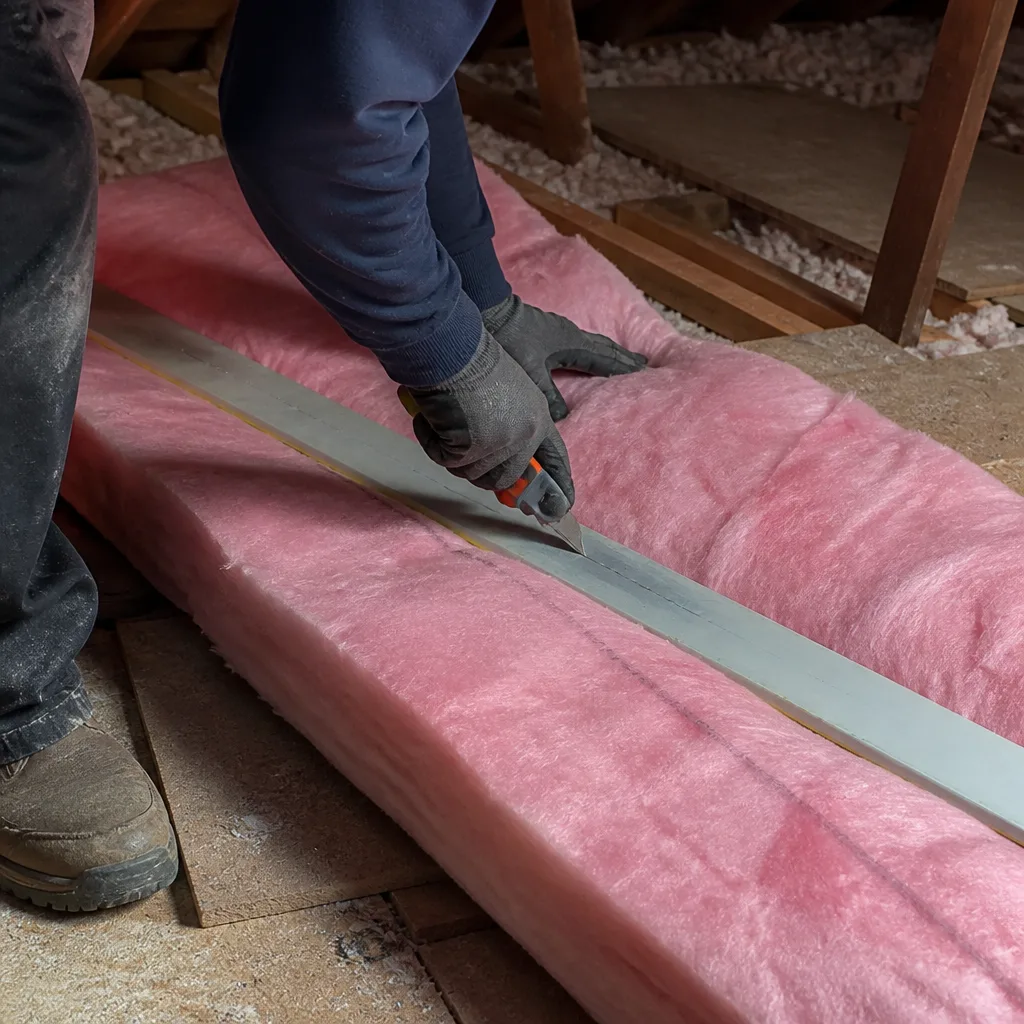
Old fiberglass, rodent nesting material, dust, and sometimes construction debris from original builds. In houses along the 90001 – 90010 corridor, we regularly find knob-and-tube wiring remnants and pulverized insulation that’s been compacted to less than R-8. That material has to go before anything new can perform.
When Cleaning Is Non-Negotiable
Rodent activity, water staining, or attic mold all require removal before insulation work. Blowing new fiberglass over contaminated material seals the problem in and wastes your money. We’ll tell you honestly if cleaning can wait or if it’s required first, and our estimate breaks that out line by line.
Attic Mold Removal in Los Angeles
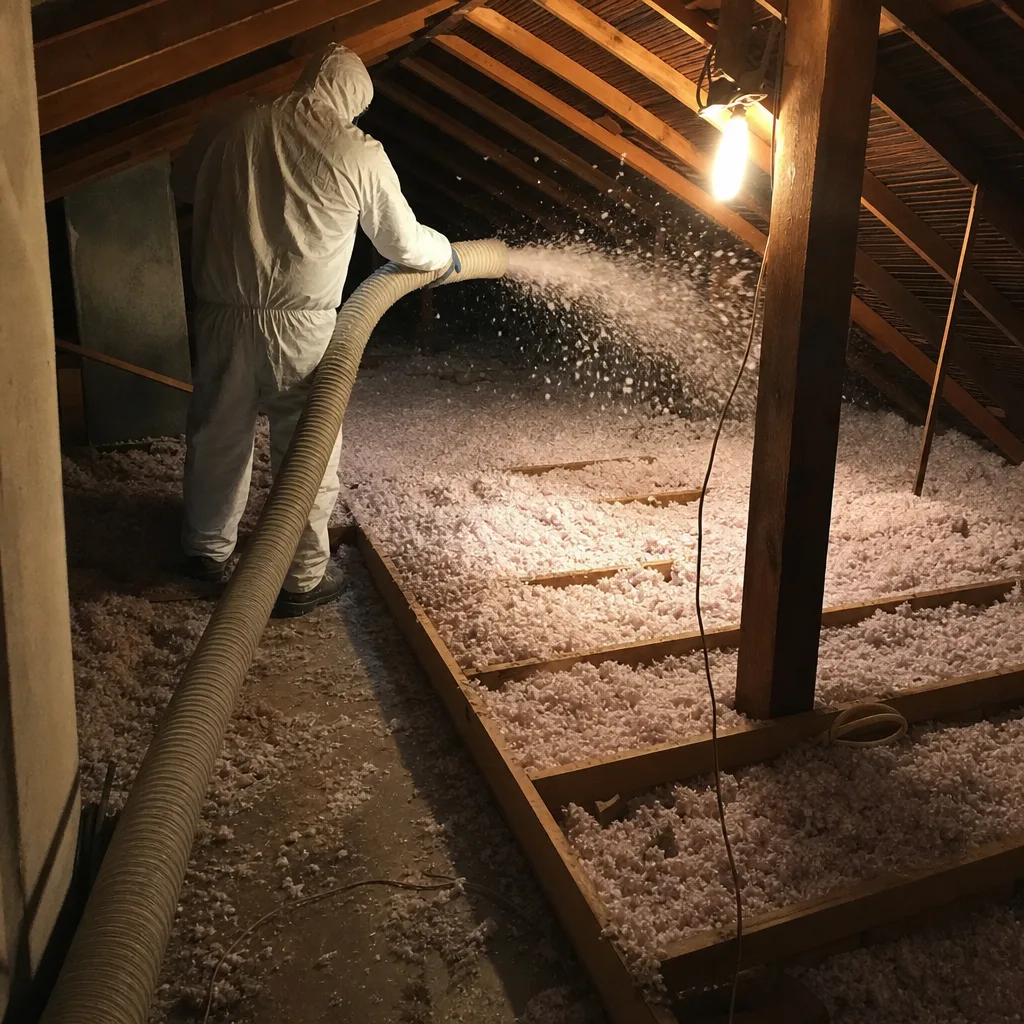
Attic mold removal in Los Angeles is more common than most homeowners expect, and it’s usually tied to the same conditions that make our attics so hot: poor ventilation, low-pitch roofs, and warm, dry air that condenses against cool surfaces overnight. Mold in an attic needs three things: moisture, organic material, and still air. Older Los Angeles homes with original roof vents or none at all create exactly that environment. Mold removal in a Los Angeles attic typically costs $800 to $2,200 depending on the affected square footage and whether structural wood needs treatment.
Flat Roofs and Mold Risk
Flat and low-pitch roofs common in South LA and Koreatown trap moisture against the roof deck because there’s nowhere for humid air to escape. When we handle attic mold removal in these homes, we always address ventilation in the same visit. Removing mold without fixing airflow means the mold comes back within a year or two.
What We Actually Do
We treat the affected wood with an EPA-registered antimicrobial, remove any insulation that’s been contaminated, and then dry the space before new insulation goes in. If the attic has no vents, we’ll spec adding them. We don’t just spray and walk away, and our team will document everything with photos before and after so you can see what was done.
Trusted Brands We Service in Los Angeles
We stock and install CertainTeed fiberglass batts, Icynene and Demilec spray foam, and GreenFiber blown-in cellulose, among others. For Los Angeles homeowners, that means we don’t have to special-order or wait on a distributor when your house needs a specific product. GreenFiber is a particularly good fit for the eco-conscious buyer: it’s made from recycled paper, installs dense, and performs well in the hot, dry attics we see across Hollywood and Echo Park. Icynene and Demilec let us offer open-cell and closed-cell spray foam for houses where air-sealing is the real problem. We know which product fits which roof type, and we’ll explain why before we install anything.
Common Attic Insulation Problems We See in Los Angeles Homes
- Settled fiberglass from 1950s installs. Original insulation in a mid-century Los Angeles house often looks thick from the access point but has compacted to R-8 or worse across most of the attic floor. Low-pitch roofs make adding batts on top nearly impossible without tearing out ceiling drywall, so blown-in is usually the answer.
- Unsealed knob-and-tube wall cavities. Many pre-1940 homes in the 90036 and 90039 zip codes still have original wall cavities with zero air sealing. Hot afternoon air pours into the attic through exterior wall penetrations and top plates, and no amount of new insulation fixes that until the leaks are sealed.
- Duct runs crushed or buried in hot attics. We’ve opened attics in Silver Lake where flex ducts were crushed under old insulation or sagging against a 130°F roof deck. Sealing and re-supporting those ducts is step one before any insulation gets installed, or the cooling loss eats the insulation’s benefit.
- No attic access or tiny scuttle holes. This is the Los Angeles-specific problem most guides never mention. Thousands of bungalows and fourplexes from Boyle Heights to West Adams have scuttle holes as small as 14×24 inches. Any contractor without blow-in equipment through tight access will tell you to cut a new hole or walk away. We work through what’s there.
Pricing for Attic Insulation in Los Angeles, CA
Attic insulation in Los Angeles runs $1,800 to $4,500 for a typical 1,000 to 1,500 square foot attic, with most jobs landing around $2,600 to $3,200. Blown-in fiberglass or cellulose is usually the most cost-effective route for older Los Angeles homes, and runs $1.50 to $2.75 per square foot installed. Attic batt insulation with CertainTeed or similar fiberglass batts runs $2.00 to $3.50 per square foot, though low-pitch roofs often make batts impractical. Attic insulation top-up over existing material runs $1,200 to $2,800 depending on what’s already up there. Attic insulation replacement, where we remove old material first, adds $600 to $1,400 in removal and disposal costs. Spray foam for full air-sealing runs $3.50 to $6.50 per square foot. Every project gets a free, itemized estimate before any work starts. Call (866) 566-0304 to schedule yours.
We Also Serve Cities Near Los Angeles
Our Attic Insulation team covers every neighborhood across the Los Angeles basin, including Koreatown, Echo Park, Silver Lake, and Hollywood. If you’re in one of those areas or anywhere nearby in the 90036 – 90039 zip range, you’re in our regular service territory. See our Attic Insulation in Los Angeles page for full coverage details and neighborhood-specific notes.
Serving Los Angeles, CA - Our Local Coverage Area
We serve Los Angeles and nearby communities. Use the map below to see the area we cover. If you’re nearby, we can almost certainly help.
FAQs About Attic Insulation in Los Angeles
It hasn’t disappeared, it’s compacted. Fiberglass installed in the 1940s and 1950s breaks down over decades, losing its loft and settling to a fraction of its original depth. In Los Angeles’s older wood-frame bungalows, original insulation often measures 8 to 10 inches at the edges but less than 3 inches across most of the attic floor, which drops the R-value to R-8 or worse. The only real fix is a top-up or full replacement, which our team can quote after a quick attic inspection. Call (866) 566-0304.
Yes, in most cases we can. Our blow-in equipment is designed to work through scuttle holes as small as 14×24 inches, which is the standard access size on many Los Angeles bungalows and fourplexes with low-pitch or flat roofs. The hose feeds through the opening and we distribute insulation across the attic from that single point. If your access is unusually tight or obstructed, we’ll tell you during the estimate and give you options rather than cutting drywall without your consent.
Air sealing. In pre-1950 Los Angeles homes with knob-and-tube wall cavities and unsealed exterior penetrations, hot afternoon air moves into the attic through top plates, wall cavities, and around duct boots. Blowing insulation over those leaks without sealing them first is wasted money. We seal top plates, duct connections, and any penetrations with mastic or foam before insulation goes in. That sequence is what actually drops indoor temperatures.
Yes, and for Los Angeles specifically it’s the main reason to insulate at all. Our climate is cooling-dominated, meaning the biggest energy load in a Los Angeles home is keeping heat out, not keeping heat in. A properly insulated and air-sealed attic stops radiant heat from the roof deck from pushing down into living spaces. In a typical 1920s bungalow, that can mean the difference between a 3 p.m. indoor temperature of 94°F and 81°F with the same AC settings. Call (866) 566-0304 for a free assessment of what your attic is actually doing to your cooling bill.
We treat the mold first, then fix the ventilation problem so it doesn’t return. Flat-roof homes in South LA and Koreatown rarely have the ridge or gable vents that pitched roofs do, so we typically add soffit or roof-deck vents as part of the mold remediation. Attic mold removal runs $800 to $2,200 depending on square footage, and we use EPA-registered antimicrobials on all affected wood before any new insulation is installed. Estimates are free, and we’ll walk you through exactly what needs to happen and in what order.
If your attic is hot, your insulation is old, or you’ve spotted mold up there, call (866) 566-0304. We serve all of Los Angeles, from Koreatown to Silver Lake to Echo Park to Hollywood, with attic insulation, attic cleaning, and attic mold removal done by a dedicated insulation crew, not a generalist. Free estimates, honest pricing, and a team that knows Los Angeles attics better than anyone.
Written by Ruben Acosta, Owner at East Los Angeles Insulation Co, serving Los Angeles and surrounding neighborhoods.